How Strong Welds Shape Safe, Lasting Custom Builds
The role of metal welding in custom fabrication projects is to join metal parts into one solid, working piece. It creates strong bonds that can handle weight, heat, and daily use. Without proper welding, most custom metal builds would fail under stress. From steel frames to decorative gates, welding is what turns loose parts into finished products that last.
What You Need Before Starting a Custom Build
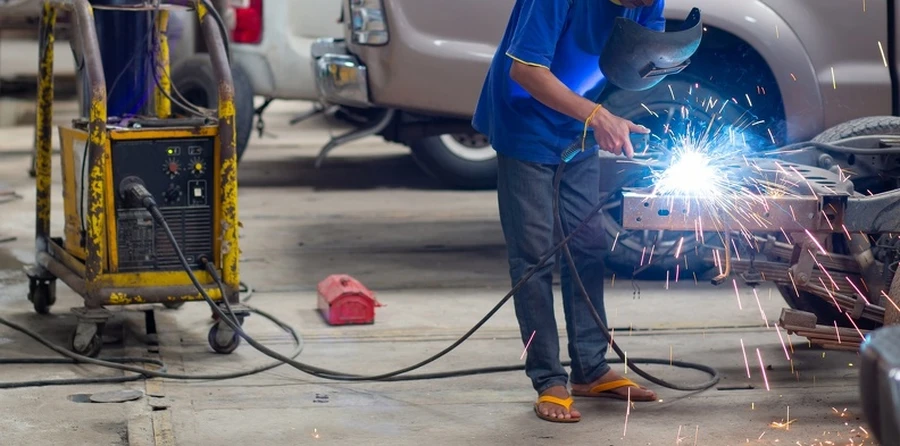
Before any sparks fly, planning comes first. Good results depend on smart preparation. In custom fabrication projects, each piece is designed for a specific job. That means choosing the right metal, the right thickness, and the right welding method.
Here are a few basics that matter:
- The type of metal, such as steel, aluminum, or stainless steel
- The weight the project must support
- Indoor or outdoor use
- Local building codes if the piece is structural
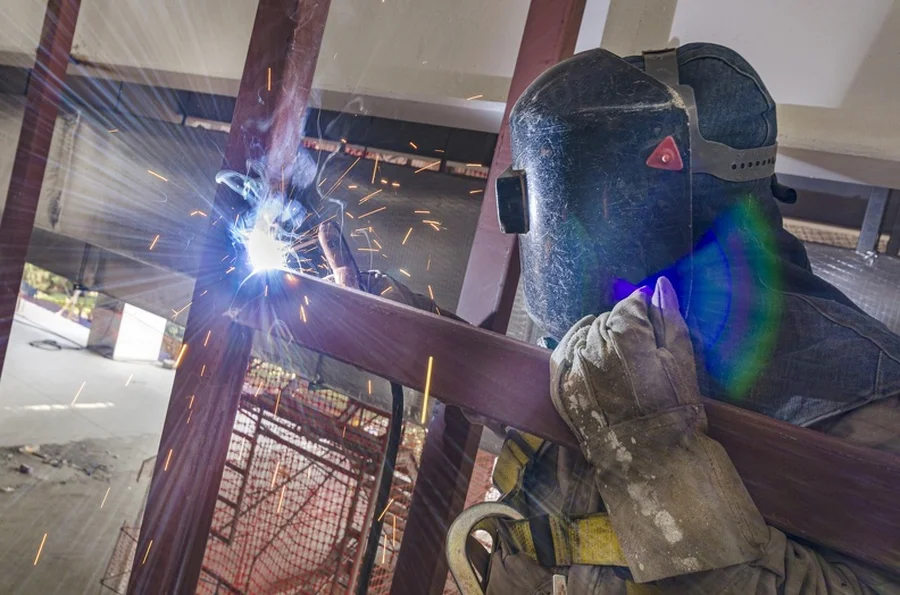
- Proper safety gear and ventilation
Skipping these steps can lead to weak welds or warped metal. Good prep work saves time and trouble later.
The Step-by-Step Process in Custom Fabrication
Metal welding is not just about joining two pieces together. It follows a clear process that supports the full fabrication plan. Below is a simple overview of how it usually works:
- Measure and cut the metal parts to exact size.
- Clean each surface to remove dirt, rust, or oil.
- Clamp pieces in the correct position.
- Choose the proper welding method for the metal type.
- Apply the weld evenly along the joint.
- Inspect the weld for strength and smooth finish.
- Grind, polish, or coat the surface if needed.
Each step supports the next. If parts are not aligned well before welding, the final piece may twist or lean. Care at every stage leads to better results.
Common Mistakes That Weaken Custom Projects
Even small errors can cause big problems in custom fabrication. One common issue is overheating the metal. Too much heat can cause cracks or weak spots. Another mistake is using the wrong filler material, which can lead to poor bonding.
Rushing the prep stage also creates trouble. Dirt or rust left on the surface blocks proper fusion. In outdoor builds, not sealing or coating the welds can lead to corrosion over time.
Many people also forget that metal expands and contracts with heat. If this movement is not planned for, joints may fail after installation.
How Welding Supports Different Types of Projects
The role of metal welding in custom fabrication projects changes based on the goal of the build. For heavy equipment frames, welding must handle vibration and load stress. For decorative railings or gates, appearance matters as much as strength.
In structural projects, weld quality directly affects safety. A poorly welded support beam can lead to sagging or collapse. In smaller fabrication jobs, clean welds give the piece a polished look.
Welding also allows flexibility in design. Custom brackets, machine parts, and repair pieces can be built to exact needs. This is where skilled workmanship makes a clear difference.
When to Call a Professional Team
Small hobby projects may be manageable for experienced DIY workers. But large or load-bearing fabrication should always involve trained welders. Projects that support weight, attach to buildings, or interact with machinery require precision and proper equipment.
Professional teams understand heat control, joint design, and safety rules. They also know how to test weld strength before a project is complete. This reduces risk and helps avoid costly repairs later.
Get Expert Help for Your Next Project
If you are planning a custom metal build in Hialeah, FL, working with a skilled team makes the process smoother and safer. At Universal Welding Service, we handle custom fabrication with care, using proven metal welding methods to build strong, lasting results. Our team guides customers through design, material selection, and final installation. Call us at (305) 549-5110 to talk about your next project and see how we can help bring it to life.