TIG Gives Clean Precision While MIG Is Faster and Easier for Thick Jobs
The main difference between TIG and MIG processes in metal welding is how the weld is made and what each method is best for. TIG welding uses a tungsten electrode and gives very clean, precise welds. MIG welding uses a wire feed and works faster, making it better for thicker materials and larger projects. Both methods are strong and reliable, but the right choice depends on your project.
Quick Decision Answer
If you need neat, detailed welds on thin metal, TIG is often the better option. If you want speed and efficiency on thicker steel or large pieces, MIG is usually the smarter pick. Many shops that handle metal welding use both methods based on the job.
Option a Vs Option B Criteria
TIG welding uses a non-consumable tungsten electrode. The welder adds filler by hand. This gives more control over the weld puddle. It is often used for aluminum, stainless steel, and thin sheet metal.
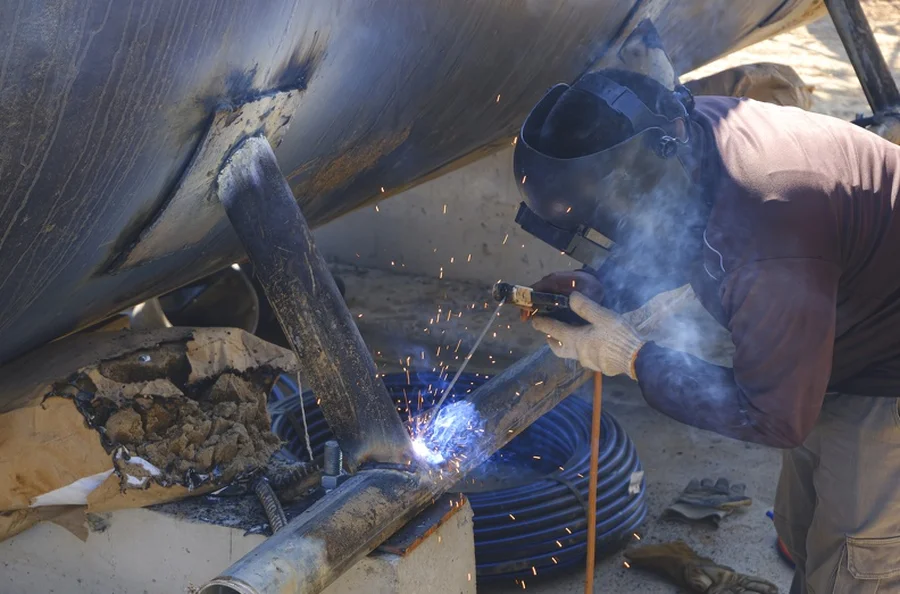
MIG welding uses a spool of wire that feeds through a gun. The wire acts as both the electrode and filler. This process is easier to learn and much faster. It works well for carbon steel and thicker materials.
Both are common in metal welding and in general fabrication and repair work. The choice often comes down to material type, thickness, and how the final weld should look.
Pros and Cons List
Here is a simple breakdown:
- TIG pros: very clean welds, great for thin metals, strong and precise
- TIG cons: slower process, requires more skill, higher labor time
- MIG pros: fast welding speed, easier to learn, good for thick materials
- MIG cons: less precise on thin metal, more spatter, may need more cleanup
TIG is often used when appearance matters. MIG is often used when speed and strength matter more than looks.
Best Fit by Scenario or User Need
If you are repairing a car panel, TIG may be the better option. It gives clean lines and reduces the risk of burning through thin metal. If you are building a steel fence or structural frame, MIG can save time and still create strong welds.
For aluminum parts like boat components or custom metal pieces, TIG is often preferred. It handles delicate work with better heat control. For heavy equipment brackets or trailer frames, MIG gets the job done quickly.
In many metal welding shops, technicians switch between TIG and MIG depending on the project. Some jobs even use both methods in different stages.
Mistakes People Make When Choosing
One common mistake is picking MIG for very thin metal. This can lead to burn-through and weak spots. Another mistake is choosing TIG for a large structural job where speed is needed. This can increase labor cost and project time.
Some people also focus only on equipment price. TIG machines can cost more, and they require more training. MIG machines are user-friendly, but that does not mean they are right for every task.
Not matching the welding method to the metal type is another issue. Aluminum, stainless steel, and carbon steel all react differently to heat. The wrong process can lead to cracking or weak welds.
Final Decision Checklist
Before choosing between TIG and MIG, ask yourself:
- What type of metal am I welding?
- How thick is the material?
- Does the weld need to look clean and decorative?
- Is speed more important than appearance?
- Do I have the skill level for TIG welding?
Answering these questions can point you in the right direction. Both methods play an important role in metal welding and in . The key is matching the process to your goal.
Get the Right Welding Solution for Your Project
If you are planning a project in Hialeah, FL, we can help you choose the right approach for your needs. At Universal Welding Service, we handle a wide range of metal welding jobs using both TIG and MIG methods. Call us at (305) 549-5110 to talk about your project and let us help you get strong, reliable results.